Dyslexia and DLD: Why Understanding Both Matters
Learn why dyslexia and Developmental Language Disorder may be assessed together, and how looking at language and literacy can help guide support
November 8, 2026

When a child is finding reading or spelling difficult, literacy may not be the only area worth exploring. Understanding how they use and understand spoken language can also help build a clearer picture of how they communicate and learn.
Developmental Language Disorder (DLD) is an ongoing difference in how a child understands and uses spoken language, while dyslexia mainly affects reading and spelling, these often are co-occuring. Looking at literacy and language together can help families and clinicians better understand a child’s strengths, where they may be finding things difficult and what support may be useful.
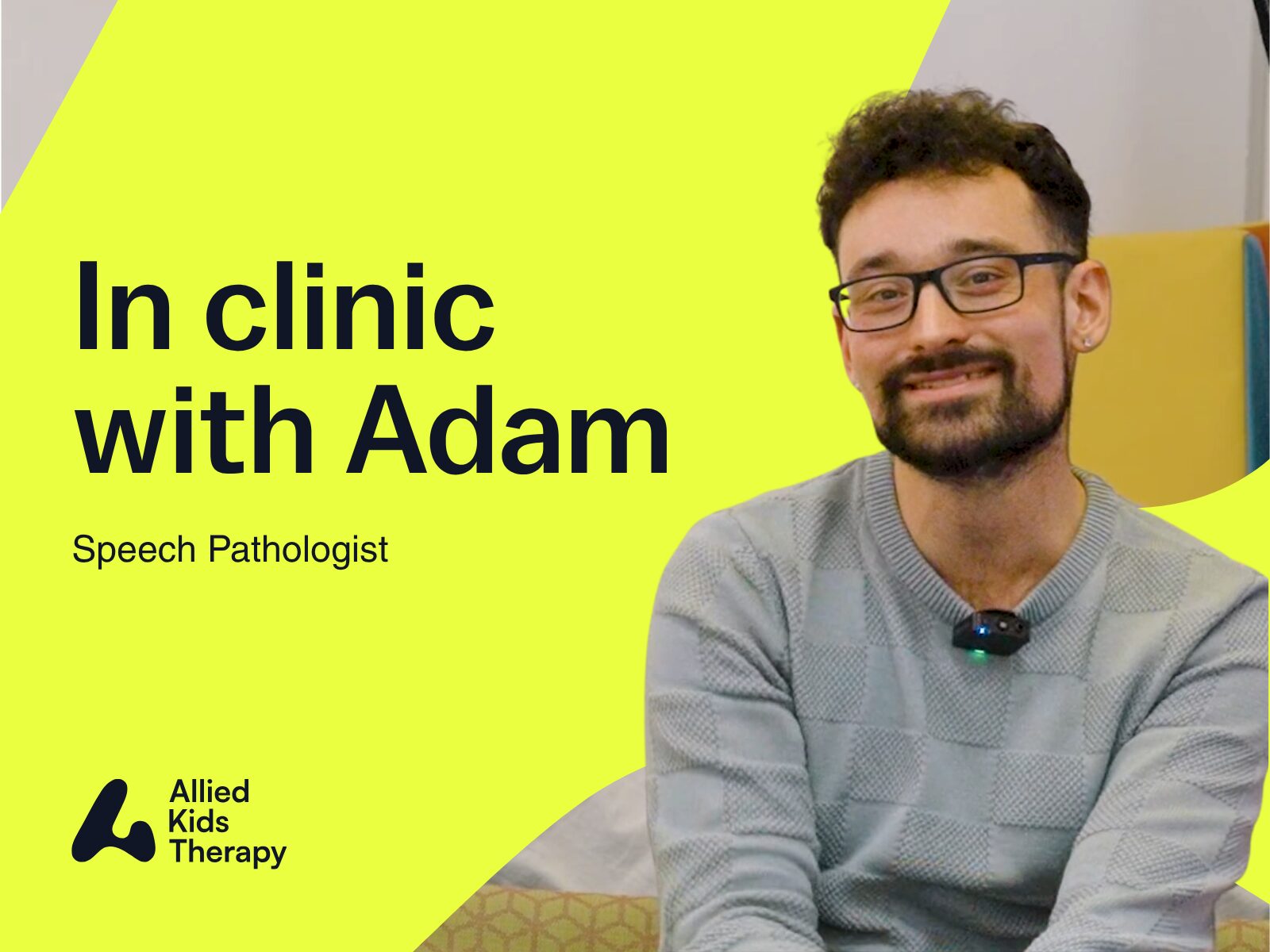
Speech Pathologists Sophia and Adam explain why dyslexia and DLD may be assessed together and why understanding the whole child matters when planning support.
When exploring dyslexia and DLD, speech pathologists may look beyond reading and spelling to understand how a child comprehends and uses spoken language too.
Adam explains that a broader assessment can help identify whether the challenges are mainly related to reading and spelling, or whether there may also be difficulties with understanding or expressing language.
“By using standardised language assessments, we’re able to tease out, is it just reading and spelling? Or is there also a challenges with comprehension of language or expression of language? It’s so important to do this because we want to be able to provide a comprehensive therapy plan for the kids.”
– Adam, Speech Pathologist
For families, this broader picture can help explain why a child may be finding certain aspects of reading, writing or communication difficult and where additional support may be useful.
Literacy does not sit separately from communication. Reading and writing are connected with speaking, listening, understanding and using language.
“We need to take in the whole holistic picture of where the language is at. And that does mean we need to look at the reading, the writing and the speaking and listening as well.”
– Sophia, Clinical Operations Manager and Speech Pathologist
Assessing these areas together can provide a more complete picture of how a child communicates and learns. For parents, this means an assessment is not just about test scores. It is also about understanding what their child is experiencing in everyday life.
Standardised assessments are one part of understanding a child’s needs. The results can provide important information, but they don’t show everything about how a child communicates and learns in everyday life.
Information from parents, educators and the child themselves can help clinicians understand how literacy and language differences are affecting everyday experiences at home and school.
This collaborative approach may include discussing what teachers are noticing in the classroom, what parents are seeing at home and which areas the child finds easier or more challenging.
Bringing literacy and language information together helps clinicians see the whole picture, rather than looking at reading or spelling in isolation. This can show where support may be useful across communication, learning and everyday participation Rather than looking at reading or spelling in isolation, a comprehensive assessment can help identify where support may be useful across communication, literacy and learning.
The goal of an assessment is not simply to arrive at a result. It is to better understand the individual child and give families, educators and clinicians clearer information to guide what happens next.
By considering reading, writing, speaking and listening alongside the child’s everyday experiences, support can be shaped around their individual strengths and needs.
If you have questions about your child’s literacy development or whether a dyslexia assessment may be appropriate, contact Allied Kids Therapy to learn more about Speech Pathology and dyslexia assessment services in Melbourne.

At Allied Kids Therapy, we’re here to support your child and your family.
We’re a team of paediatric specialists working together to help kids build skills and momentum in everyday life. When you’re ready, we’re ready. Let’s take the next step together.