Your questions, answered
We know starting therapy comes with a lot of questions. Here are the answers to some commonly asked questions.
FAQs
We provide paediatric allied health services for children and young people. Our team supports everyday skills needed for play, learning, and daily routines through practical, evidence-based therapy.
Services include occupational therapy, speech pathology, and physiotherapy.
We work with children and young people who may need support with movement, communication, regulation, self-care, or participation in everyday activities.
We also work closely with families, schools, and other professionals involved in your child’s care.
Therapy can happen in different settings depending on your child’s needs, including:
- Our clinic
- Schools or childcare settings
- Community environments
We focus on working in places where skills are used in real life.
Yes. We support NDIS participants and can deliver therapy under self-managed and plan-managed funding.
If you are unsure what your plan covers, our team can help guide you through the process.
The first session is about understanding your child and your priorities.
We will:
- Learn about your child’s strengths and challenges
- Discuss what is getting in the way day to day
- Agree on clear next steps
You will leave knowing what the plan is and what comes next.
Families are a key part of the process.
We focus on clear communication and practical strategies that can be used between sessions. Therapy should support everyday life, not add stress or complexity.
There is no one-size-fits-all answer.
We regularly review progress, adjust plans when needed, and focus on what is most helpful right now. Therapy plans are shaped around your child’s needs and circumstances.
You can contact us directly to make an enquiry or referral.
Our team will:
- Talk you through next steps
- Answer funding or service questions
- Help book an initial appointment
Our team is a diverse mix of healthcare professionals who bring a wealth of experience and expertise to the table. We’re passionate about what we do and are committed to providing you with the highest standard of care. Whether it’s occupational therapy, speech pathology or physiotherapy, you can trust that you’re receiving care from some of the most experienced in the field.
You do not need a referral to receive support from our allied health clinicians. However, some insurance providers may require a GP’s referral. Please check with your insurance company for specific details.
Each therapy plan is designed with your child’s specific needs, goals, and progress in mind. Our clinicians will work closely with you to create a clear support plan, which will be regularly reviewed to ensure it aligns with your child’s development.
Our initial visits are designed as consultations where the clinician engages with you, the parent or caregiver to better understand your child’s unique needs and family priorities, and learn about the support you are looking for. This initial consultation can be conducted via phone call, Microsoft teams or in person.
- NDIS funded services: Allied Kids Health can provide services through the NDIS when the participant’s funding is “self-managed” or “plan managed”.
- Privately funded services: We can provide services through private funding. This could be while you are awaiting NDIS funding or Medicare rebates.
- Medicare rebates: Some children may be eligible for a Medicare rebate for 5 Allied Health sessions annually using the “Chronic Disease Management Plan”. Speak to your GP, or contact us, if you think you might be eligable for this.
- Private Health Insurance: Some children may be eligible to receive rebates through their private health care insurance. Chat to your insurance company for further details.
- Visit your local area coordinator or early childhood partner. Your NDIS partner will discuss with you about the evidence needed and help you to complete your application
- Download and complete theNDIS Access Request Form on your computer and email it toenquiries@ndis.gov.auwith thesupporting information form.
- Download theNDIS Access Request Formon your computer, print it out, and mail it to PO Box 700, Canberra, ACT 2601 with thesupporting information form.
- Contact the NDIA on 1800 800 110 and ask us for an NDIS Access Request Form. We can mail or email it to you
- Visit an NDIS office and ask for a copy of the NDIS Access Request Form They can print it out for you, and you can email or mail it to us with thesupporting information form.
- Visit my.gov.au and sign into your myGov account.
- Select the National Disability Insurance Scheme service from your linked services
- Click on “My Plan” or “Plan”
- Click “View My Plan” to see your plan details.
- Download the my NDIS app from the App Store.
- Log into the app.
- Click “View” your current plan
Once you have opened your NDIS plan, go to page 2. Here, it will state “NDIS plan start date” and “NDIS plan reassessment date”.
The number of therapy sessions you can receive under the NDIS is determined by your individual NDIS plan. Your plan will specify the funding allocated for allied health therapy services.
Yes! NDIS therapy sessions can be provided in various settings, including your home, school, or in a clinic. The choice of setting depends on the individual’s needs and goals, and can be discussed and planned with the therapist.
Still have questions?
If you’re unsure about anything, we’re happy to help.
Visit our Mount Waverley clinic
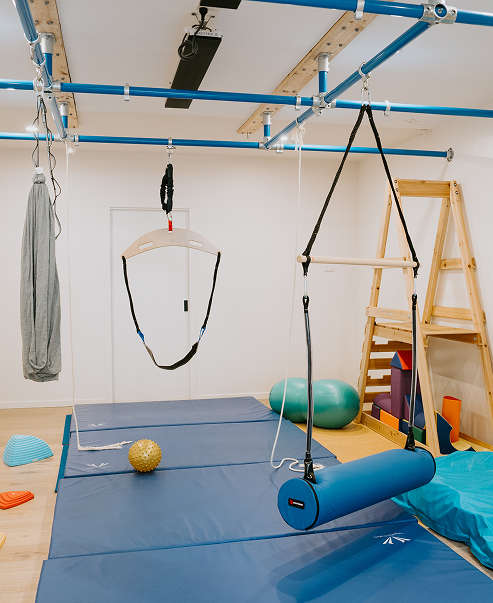
Get expert paediatric care, closer to home. Our Mount Waverley clinic is designed to feel welcoming, calm, and purposeful — a place where children feel safe, supported, and ready to grow.
 541 Blackburn Rd, Mount Waverley VIC 3149
- (03) 7023 7910
- intake@alliedkidstherapy.com.au