

Speech Pathology

Build communication skills. Strengthen connection. One sound, one word at a time.

Speech therapists support children to understand and be understood by their families and wider communities – so they can connect, participate, and thrive in everyday life.

Contact us

No referral needed. Just a friendly first step.

Communication skills that help your child feel understood.

Speech therapy supports the building blocks of communication, helping kids understand others, express their needs, share ideas, and feel confident in social and learning environments.

Everyday communication

Speech pathology builds confident communication for daily life. We support children to understand language, express themselves clearly and connect with others across everyday situations.

Language development

Speech pathology strengthens how children understand and use language. We build vocabulary, sentence structure, following instructions and expressing ideas to support learning, behaviour and participation.

Social communication 
and fluency

Speech pathology supports interaction and connection. We build conversation skills, turn taking and social understanding, and support smoother speech for children who stutter or find talking difficult.

Speech clarity and
sound production

Speech pathology improves how clearly children speak. We work on speech sounds and articulation so children are easier to understand and feel more confident communicating with family, teachers and peers.

Augmentative and Alternative Communication (AAC)

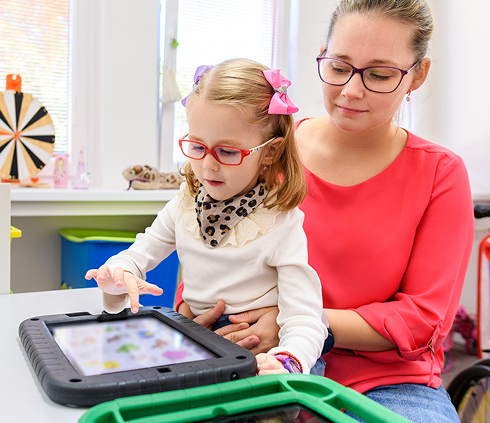
Speech Pathology can assess and implement augmentative and alternative communication devices to support children to always be able to communicate with others
If your child is finding some parts of the day challenging

You’re not alone. Communication challenges are common, and with the right supports in place, meaningful progress can be made.

Speech therapy can help children who:

  • Struggle to pronounce sounds or blend words smoothly
  • Find it hard to express needs or form sentences
  • Have a limited vocabulary or use fewer words than peers
  • Get frustrated when they can’t communicate clearly
  • Avoid talking in groups or during class
  • Need support with social interaction or play skills
  • Stutter or experience disruptions in speech flow

If this feels familiar, speech therapy can make communication feel easier and connection feel smoother.

Hands-on. Play-first. Purposeful.
Progress you can see.

We focus on real skills that create real change — one step, one session, one better day at a time.

1

We deliver support where communication happens

Our speech pathologists provide support in clinic, at home or at school. Therapy takes place in real environments so communication skills carry over into everyday life.

2

We focus on real life
communication skills

Sessions target functional communication children use every day, from following instructions in class to joining conversations and building friendships. Therapy stays practical, purposeful and relevant.

3

We work closely with families
and schools

Communication skills develop faster when everyone is involved. We also work with families so that strategies can be added into the families everyday routine rather than adding additional work.

4

We track meaningful
communication progress

Goals are clear, functional and individual. We review progress regularly and adjust therapy to ensure steady, visible gains in speech, language and confidence. Have questions? Our Melbourne intake is ready to help.

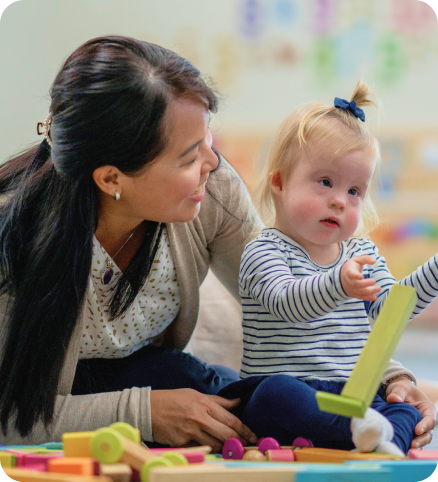
Play-led therapy
Functional goals
Play-led therapy
Functional goals
Play-led therapy
Functional goals
Play-led therapy
Functional goals

Support that gives your child a voice and builds confidence.

Our approach blends clinical expertise with practical, everyday strategies your child can actually use.
Experienced
paediatric
speech
pathologists

Warm, child-led
sessions and
family-centred
support

Evidence-informed methods

Goals tailored
to your child

What parents are saying

Real feedback from families who’ve partnered with Allied Kids Therapy.

FAQs

What would you like to know about Allied Kids Therapy?

Talk to us

Speech Pathology, also known as Speech-Language Pathology, is a healthcare profession that focuses on the assessment, diagnosis, and treatment of communication and swallowing disorders.

Speech Pathologists, or Speech-Language Pathologists, work with individuals who have difficulties with speech, language, voice, fluency, and swallowing. They provide therapy and interventions to improve communication and swallowing skills.

Speech Pathologists can help with a wide range of communication disorders, including articulation disorders, language delays or disorders, stuttering, voice disorders, cognitive-communication disorders, and swallowing disorders.

If you or your child is experiencing difficulties with speech, language, voice, fluency, or swallowing, it is recommended to consult a Speech Pathologist. Common signs include speech delays, difficulty understanding or using language, hoarse or strained voice, stuttering, or problems with swallowing.

During an assessment, a Speech Pathologist will evaluate your speech, language, voice, fluency, or swallowing abilities. This may involve standardized tests, observations, interviews, and other assessment tools to determine the nature and severity of the communication or swallowing disorder.

The duration of Speech Pathology treatment varies depending on the individual’s needs and the nature of the disorder. Some individuals may require only a few sessions, while others may need ongoing therapy for an extended period. Treatment plans are personalised based on each person’s specific goals and progress.

Yes, Speech Pathologists can work with individuals of all ages, from infants to older adults. They may specialize in specific age groups or work across the lifespan, addressing the unique communication and swallowing needs of each age group.

Yes, swallowing difficulties, also known as dysphagia, are within the scope of practice for Speech Pathologists. They can assess swallowing function, provide therapy to improve swallowing safety and efficiency, and recommend strategies or modifications to facilitate safe eating and drinking.

Speech Pathologists use a variety of techniques and approaches depending on the individual’s needs. These may include articulation exercises, language intervention strategies, voice therapy exercises, fluency techniques, swallowing exercises, and augmentative and alternative communication methods.

Ready to help your child feel more understood?

Let’s build communication skills. One sound, one word, one step at a time.