In Clinic with Adam: Play, Connection and Communication
Why does play sit at the heart of speech pathology? Senior speech pathologist Adam shares how he meets children where they are and supports communication in ways that feel natural for families.
October 8, 2026
Meet Adam, a senior speech pathologist supervisor at Allied Kids Therapy with more than five years of experience working with children and families across clinic, home, school and early learning settings. Adam’s experience across these settings has shaped his Speech Pathology practice today: combining evidence-based strategies with play, connection and practical support for families in everyday life.
“I get to use my scientific, evidence-based mind to make sure I’m promoting the best therapies, and then I also get to use my fun, playful side to make sure that children are engaged and families are really connecting with these children.”
For Adam, speech pathology is about is about bringing those two sides together: using clinical knowledge to understand how a child communicates, while giving families practical strategies they can use in everyday life.
Meeting children where they are
One of the strongest themes in Adam’s approach is that every child develops differently.
“Every child is different and goes on their own communication journey, and that’s key to remember.”
Some children may begin with single words. Others may communicate through familiar phrases, songs or scripts. Some may use gestures, pictures or augmentative and alternative communication, often referred to as AAC.
Rather than expecting children to follow one pathway, Adam focuses on understanding how each child learns and building from there.
“It’s really important that we honour how children are developing.”
That approach reflects the way we work at Allied Kids Therapy. We recognise each child’s strengths, interests and communication style, and support them in ways that are respectful, practical and meaningful.
Why play matters
Spend time in one of Adam’s sessions and there is a good chance play will be part of it.
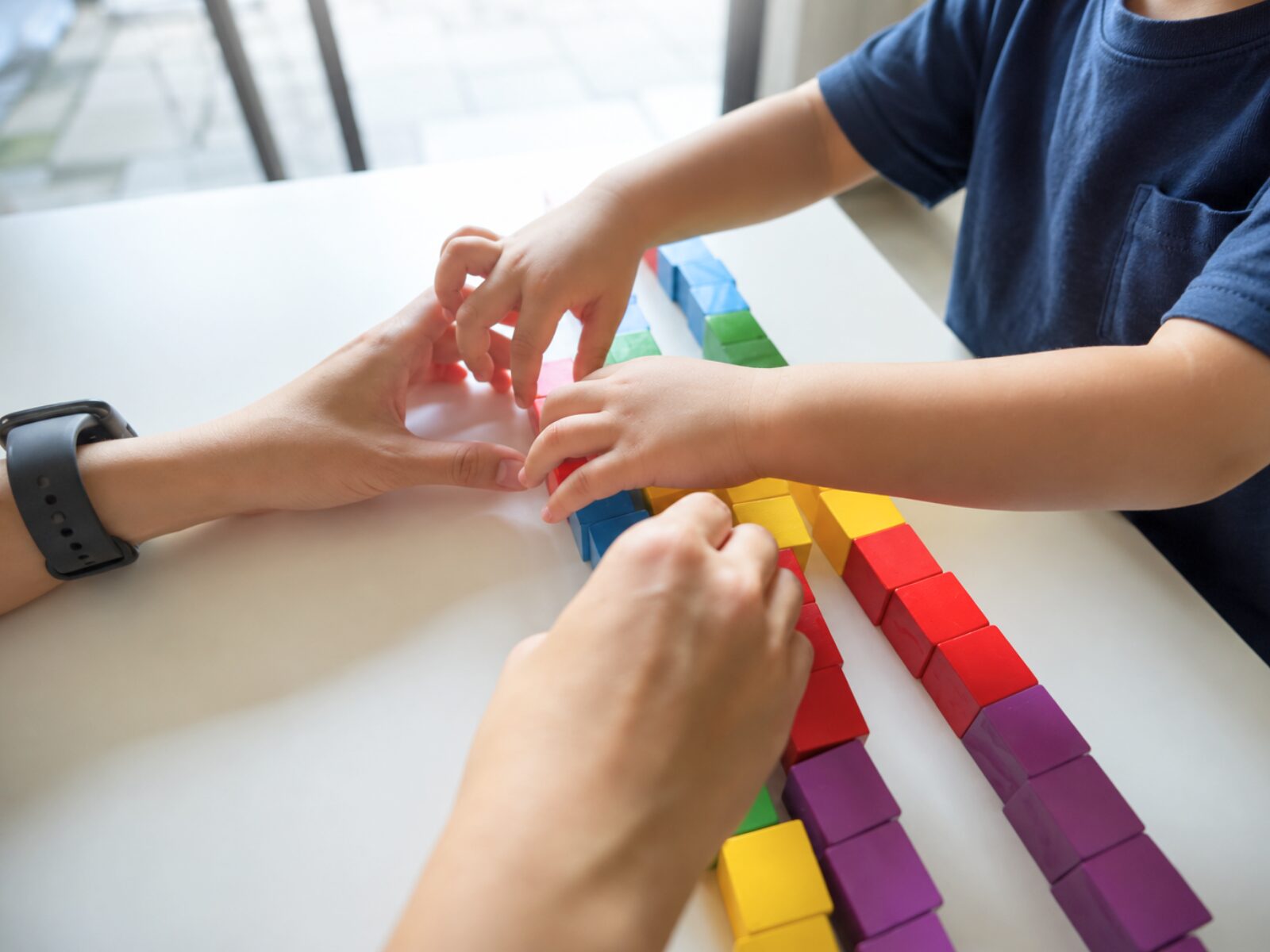
That might mean bubbles, blocks, movement, music, favourite toys or everyday objects. The activity itself can create natural opportunities for shared attention, interaction and communication.
Adam is clear that therapy should not feel forced.
“We have to play with our kids, and we have to do it in a fun, silly way that matches who they are.”
For some children, that might mean energetic games and movement. For others, it might be quieter play with a stuffed animal, doll or sensory activity.
The goal is to connect with the child first.
“We want to match the child where they’re at, so we’re doing activities that they enjoy.”
For parents, this can be reassuring. Supporting communication does not always mean adding another structured activity to the day. Many opportunities can happen naturally through play, songs, routines and shared moments at home.
Supporting communication beyond spoken words
One of the ideas Adam wants families to understand about Speech Pathology is that communication is much broader than spoken words.
“Speech pathologists are trained to help children communicate, not just talk.”
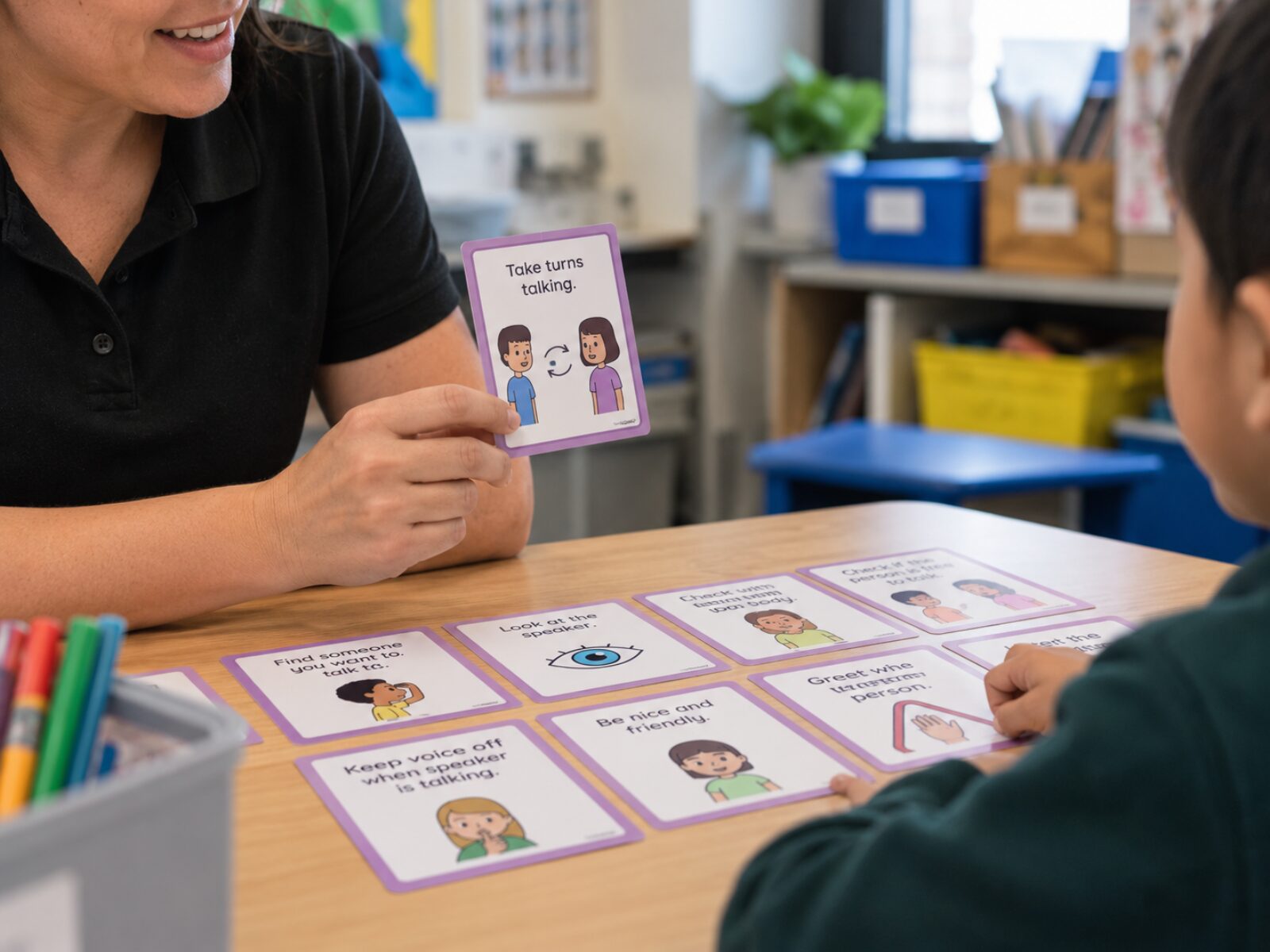
Communication might include spoken language, gestures, visuals, pictures, signs or an AAC device. A child might point to a picture, use a gesture, select something on a device or use a spoken word. These different forms of communication can all help a child express their wants, needs, thoughts and feelings.
Adam’s focus is on helping the child communicate in a way that works for them. That focus on communication also shapes the practical strategies Adam shares with families. One example is modelling language.
This might be as simple as saying “ball” while pointing to a ball, modelling “help” before opening a container, or pairing a spoken word with a gesture or picture.
He also encourages families to give children time to respond, rather than immediately anticipating what they need. This isn’t about holding things back. If your child needs help, give it, and keep modelling the words or signs they could use next time.
“By giving them the temptation and just waiting for a second, it allows them to start thinking, maybe there’s an opportunity for me to communicate here.”
The key is not to turn every interaction into a lesson. It is about creating small, natural opportunities for communication during the things a child already enjoys.
When families have concerns
For parents who are unsure whether to seek Speech Pathology support, one question often comes up: should we wait, or should we ask someone about it? Adam’s message is to ask questions early, without approaching the process with fear.
“My approach, I always tell parents, is start early. Not because we want you to be afraid. There’s no fear in this.”
Development varies between children, so a conversation with a GP, paediatrician or speech pathologist can help families better understand what they are seeing.
A speech pathology assessment may help identify a child’s strengths, areas where they may need additional support and practical strategies that can be used at home.
For Adam, early support isabout reaching a diagnosis and more about giving families useful information and options.
A career built on connection
Adam’s experience across clinic and community settings has also shaped how he thinks about paediatric allied health as a career. The variety is something he values. He enjoys working across early language, speech sounds, literacy, fluency and different forms of communication, while also collaborating with families and other professionals.
“I think having such a wide variety of things that we get to work on not just makes me a happier professional, but really fills my cup up as a person.”
For clinicians, that variety combines clinical knowledge with creativity, collaboration and connection. And for families, it means working with a speech pathologist who sees the whole child, not just one skill or one appointment.
Adam’s final reminder for families
Of all the advice Adam shares, one message stands out.
“Have fun with your child. It’s a journey of connection.”
There can be a lot for parents and carers to think about when it comes to development, health, childcare and school.
But connection matters too.
Meeting children where they are, sharing their interests and creating opportunities for them to communicate are all part of building that connection. And when families have questions about their child’s communication, they don’t have to work through them alone.
Have questions about your child’s communication?
If you have questions about your child’s speech, language or communication, learn more about ourSpeech Pathology servicesor the Allied Kids Therapy team can work with you to understand their strengths and support needs.
If you are a clinician looking to work in paediatric allied health, you can also learn more about life at Allied Kids Therapy and our current speech pathology opportunities.
At Allied Kids Therapy, we’re here to support your child and your family.
We’re a team of paediatric specialists working together to help kids build skills and momentum in everyday life. When you’re ready, we’re ready. Let’s take the next step together.