In Clinic with Fran: It’s the Little Moments That Matter
Every child experiences the world differently. In this conversation, Fran, Occupational Therapy Team Leader at Allied Kids Therapy, shares how she gets to know each child and family, from understanding sensory needs and big emotions to celebrating the little wins along the way.
October 20, 2026
Every child has their own way of experiencing the world. Their own interests, strengths, challenges and ways of learning. As a parent, you see these differences every day, from the little things your child loves to the moments when they might need some extra support.
For Fran, Occupational Therapy Team Leader at Allied Kids Therapy (AKT) in Melbourne, getting to know these individual experiences is an important part of her work.
Whether it’s helping a child get dressed in the morning, participate in classroom activities or navigate overwhelming environments, her focus is on understanding what matters to each child and their family.
“Every child, every family, every school is different and we need to cater for that.”
It’s this understanding that guides her approach to Paediatric Occupational Therapy, recognising that the most meaningful goals are often found in everyday life.
Looking Beyond What We See
A child who finds it difficult to concentrate in the classroom may be experiencing more than one challenge. They might find the noise overwhelming, need more opportunities to move or be working hard to maintain their posture while sitting at a desk.
For Fran, understanding what is happening beneath the surface is an important part of Occupational Therapy.
“It’s our job to work with the family and the school to really work out what’s going on underneath this.”
Occupational Therapy supports children with many of the activities they take part in throughout their day, from developing fine motor skills for writing and learning to use cutlery to building independence with dressing and participating more comfortably at school.
It’s about asking questions, listening to families and understanding the bigger picture before deciding what support might be helpful.
Understanding Your Child’s Sensory World
Have you noticed your child covering their ears in noisy places, seeking lots of movement or finding certain smells and textures uncomfortable?
These experiences can be connected to sensory processing, which is how our brains receive, interpret and respond to information from our bodies and the environment around us.
As Fran explains, sensory processing goes beyond the five senses we usually think of. It also includes our sense of balance, our awareness of where our body is in space and our ability to recognise internal signals such as hunger, thirst or needing the toilet.
Every child processes this information differently. Some children may find busy environments overwhelming, while others might seek additional movement or sensory input throughout the day.
For parents, understanding these differences can offer valuable insight into what their child may be experiencing and where additional support might help.
“Every human being responds to different senses and the world around us differently.”
That’s why, there’s no single strategy that works for everyone.
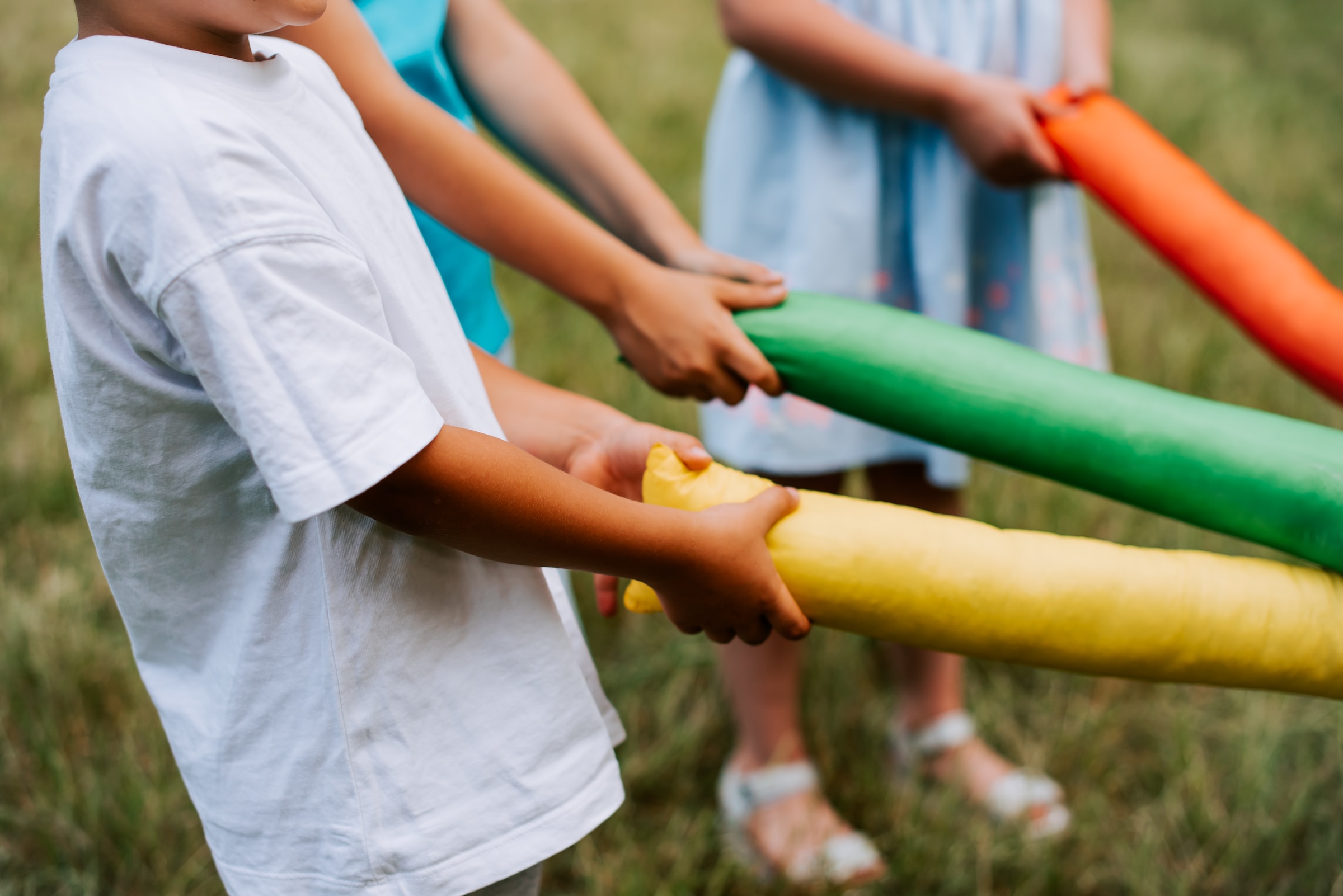
For some children, headphones or access to a quieter space may help. Others might benefit from movement breaks or activities that involve pushing, pulling and using their muscles.
For Fran, the important part is understanding what works for your child and how those strategies can fit naturally into their day. If you’d like to learn more about how sensory differences show up and how therapy can help, we have a blog discussing how occupational therapy helps with sensory processing and autism.
There’s Often More Behind Big Emotions
When a child becomes upset, overwhelmed or struggles with a transition, it’s natural to focus on what you can see happening. But there may be more going on beneath the surface.
Fran encourages families to look a little deeper.
“All behaviour is communication.”
A child might be feeling anxious about something unfamiliar, struggling to communicate how they feel or responding to an environment that’s become overwhelming.
Looking at behaviour through this lens can help parents and educators better understand what a child may be trying to express.
Understanding what a child may be experiencing can also help adults consider how to support them through those moments. This is where co-regulation becomes important.
Children aren’t always able to recognise and manage big emotions independently, especially when they’re already feeling distressed.
Having a trusted adult nearby, offering reassurance and helping them work through those feelings can be an important part of developing regulation skills over time.
And parents don’t need to have the perfect response every time.
Fran speaks openly about how difficult these situations can be for adults too. Being able to talk honestly about what’s happening at home gives therapists and families an opportunity to work through challenges together.
Sometimes, the first step isn’t introducing a new strategy. It’s understanding what your child needs in that moment.
Making Everyday Activities Part of Learning
When preparing for school, many parents think about handwriting, holding a pencil or recognising letters. But as Fran explains, there’s a lot that happens before a child begins writing.
Developing hand strength, coordination, balance and the ability to use both hands together can all play a role.
Fran encourages parents to think beyond pencil and paper.
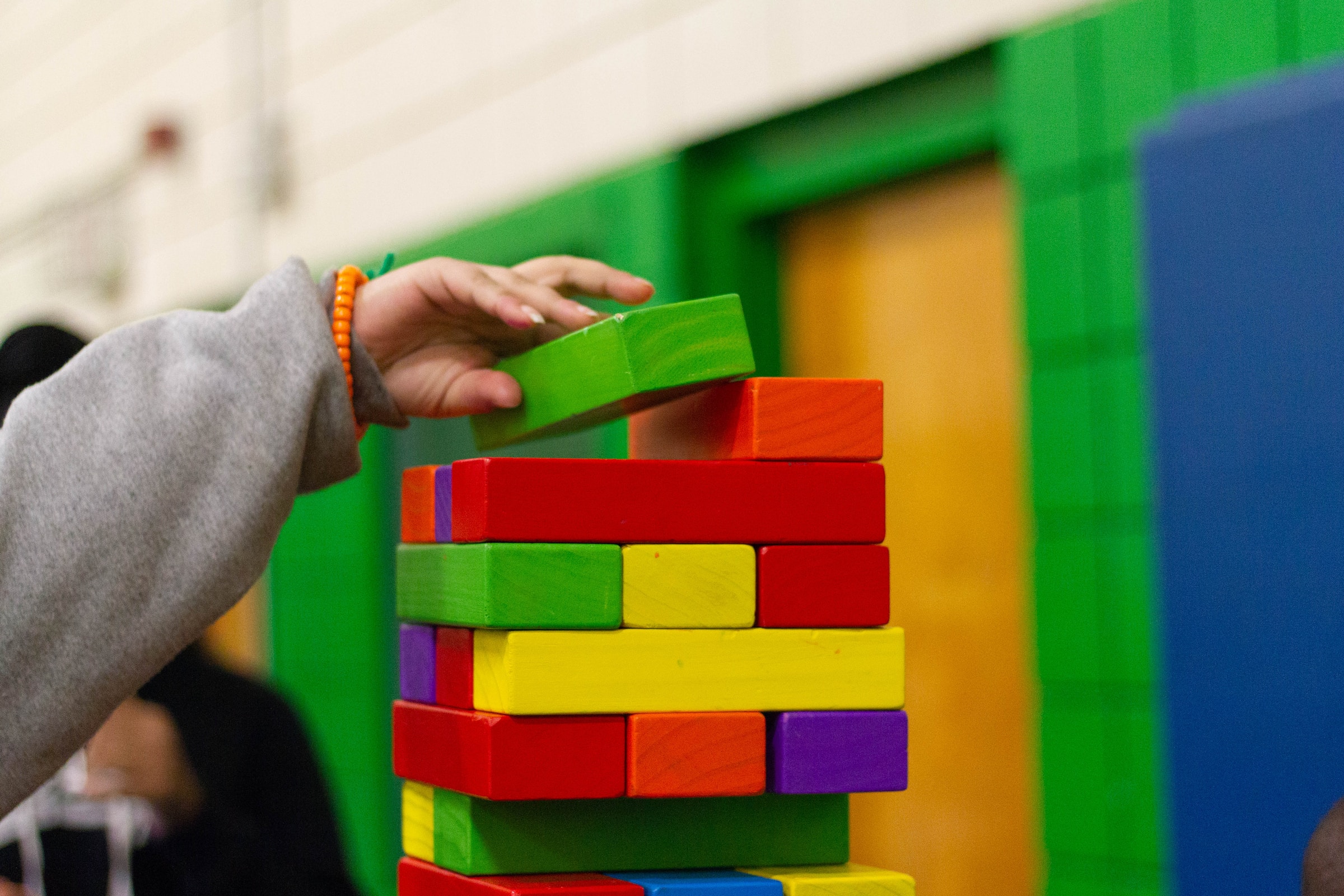
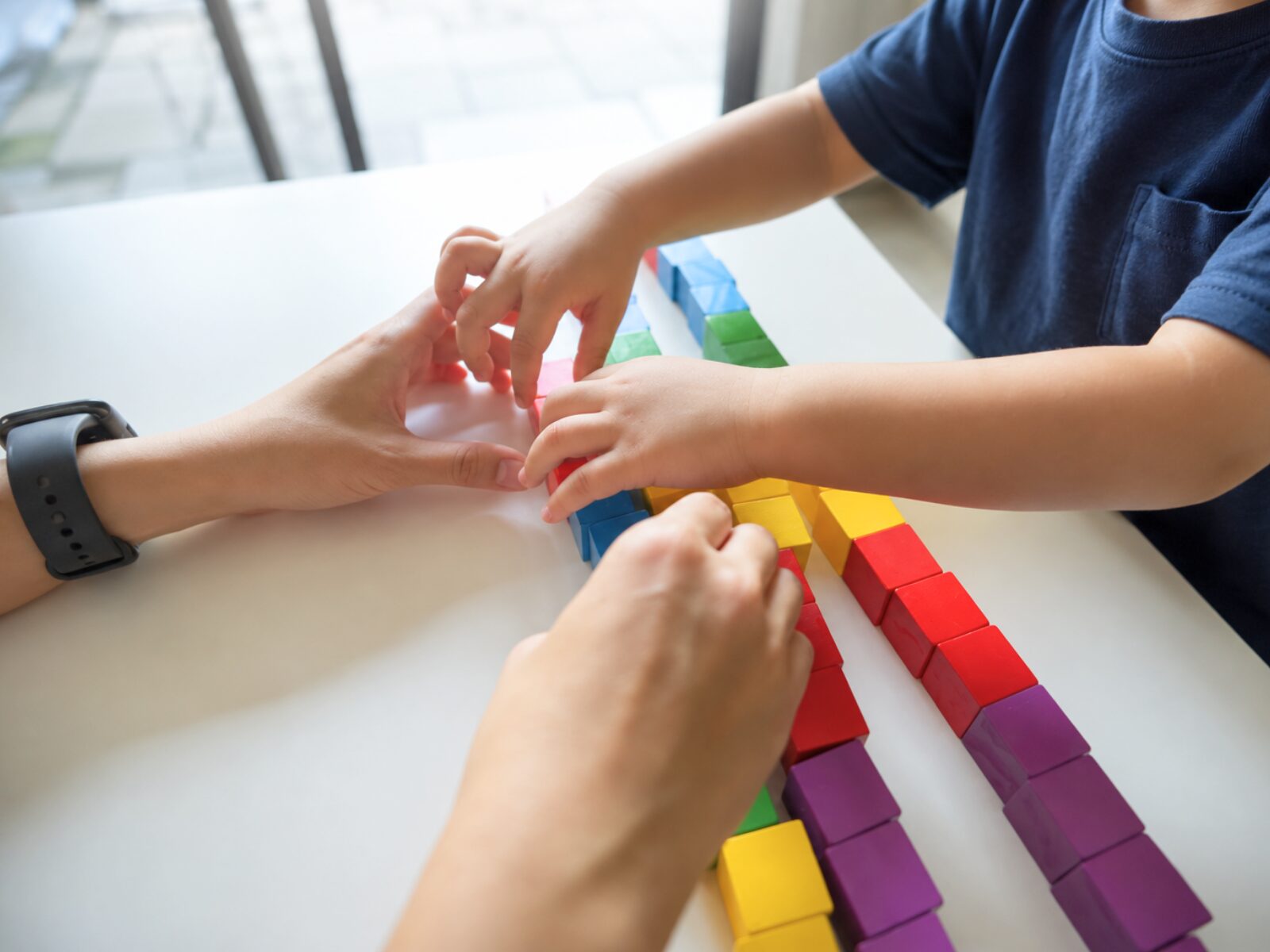
Activities such as rolling Play-Doh, cutting, ripping paper, building with toys or pushing and pulling objects can provide opportunities to develop the underlying skills used in classroom activities.
“Get them using their hands as much as possible. Stretching, pulling, pushing.”
It’s a practical reminder that supporting your child’s development doesn’t always mean setting aside time for structured activities.
Everyday play and routines can offer opportunities to practise new skills, particularly when activities are matched to your child’s interests and abilities. We have a blog discussing how play, engagement and social skills can work as therapy for kids if you’d like to explore this further.
Finding What Works for Your Family
It’s one thing to talk about strategies during a therapy session. It’s another to make them work during a busy school morning or at the end of a long day.
Fran recognises that every family has different routines, responsibilities and capacities. Some families might be ready to try several new ideas, while others may need to start with one small change that fits into what they’re already doing.
“Life is super busy and we very much understand that not one family is the same.”
That’s why Fran works with parents and caregivers to understand their day-to-day lives, identify what’s achievable and consider where support would be most useful.
Families also bring knowledge that therapists can’t get from a session alone. You know what mornings look like, what your child enjoys and which parts of the day can be particularly tricky.
Bringing that understanding together with clinical knowledge helps shape strategies that are relevant to your child and your home life.
Recognising the Little Wins
When your child is working towards a new skill, progress doesn’t always happen in a straight line.
For Fran, progress isn’t always about reaching a big milestone. It could be your child trying a new activity, finding a way to communicate a need or beginning to manage part of a daily routine with less support.
“It’s so important to be celebrating all of our wins, no matter how small or how big.”
Through regular goal setting and therapy planning meetings, Fran works with parents to recognise what’s going well, consider what might need adjusting and decide which goals to focus on next.
These conversations also give families an opportunity to share the changes they’re noticing at home or school, recognising that progress outside the clinic can be just as meaningful as what happens during therapy.
It’s the Little Moments That Matter
Throughout Fran’s approach to Occupational Therapy, one idea remains consistent: understanding the individual child and the people who know them best.
Whether she’s exploring what sits behind a child’s behaviour, helping families find practical strategies or recognising progress in everyday routines, Fran focuses on what matters to the child and their family.
Her perspective also offers a glimpse into the collaborative nature of paediatric Occupational Therapy. Working alongside families, educators and other allied health professionals brings different knowledge and experiences together around a child’s goals.
For parents, this means being part of the conversation about their child’s support, rather than simply receiving a list of activities to complete at home.
And for clinicians interested in paediatric allied health, Fran’s story highlights the importance of clinical reasoning, practical problem-solving and building relationships with the children and families they support.
Because sometimes the most meaningful part of therapy isn’t a big milestone. It’s noticing a small change in everyday life that matters to a child and their family.
Learn More About Allied Kids Therapy
If you’re exploring Occupational Therapy for your child, you can learn more about how our team supports everyday skills, sensory processing, emotional regulation and school participation.
If you’re an allied health professional interested in working with children and families, you can also find out more about our team and current career opportunities.
At Allied Kids Therapy, we’re here to support your child and your family.
We’re a team of paediatric specialists working together to help kids build skills and momentum in everyday life. When you’re ready, we’re ready. Let’s take the next step together.