Supporting Reading at Home for Children with Dyslexia
Explore practical ways to support children with dyslexia at home, including individualised literacy strategies and assistive tools for reading and writing
November 16, 2026

When a child with dyslexia is finding reading or spelling difficult, parents often want to know what they can do to help at home. The most useful strategies will depend on the individual child, their age, their learning needs and what works best for them.
In this part of our dyslexia fireside chat series, Speech Pathologists Sophia and Adam share practical approaches that may support literacy development and explain why there is no one-size-fits-all strategy.
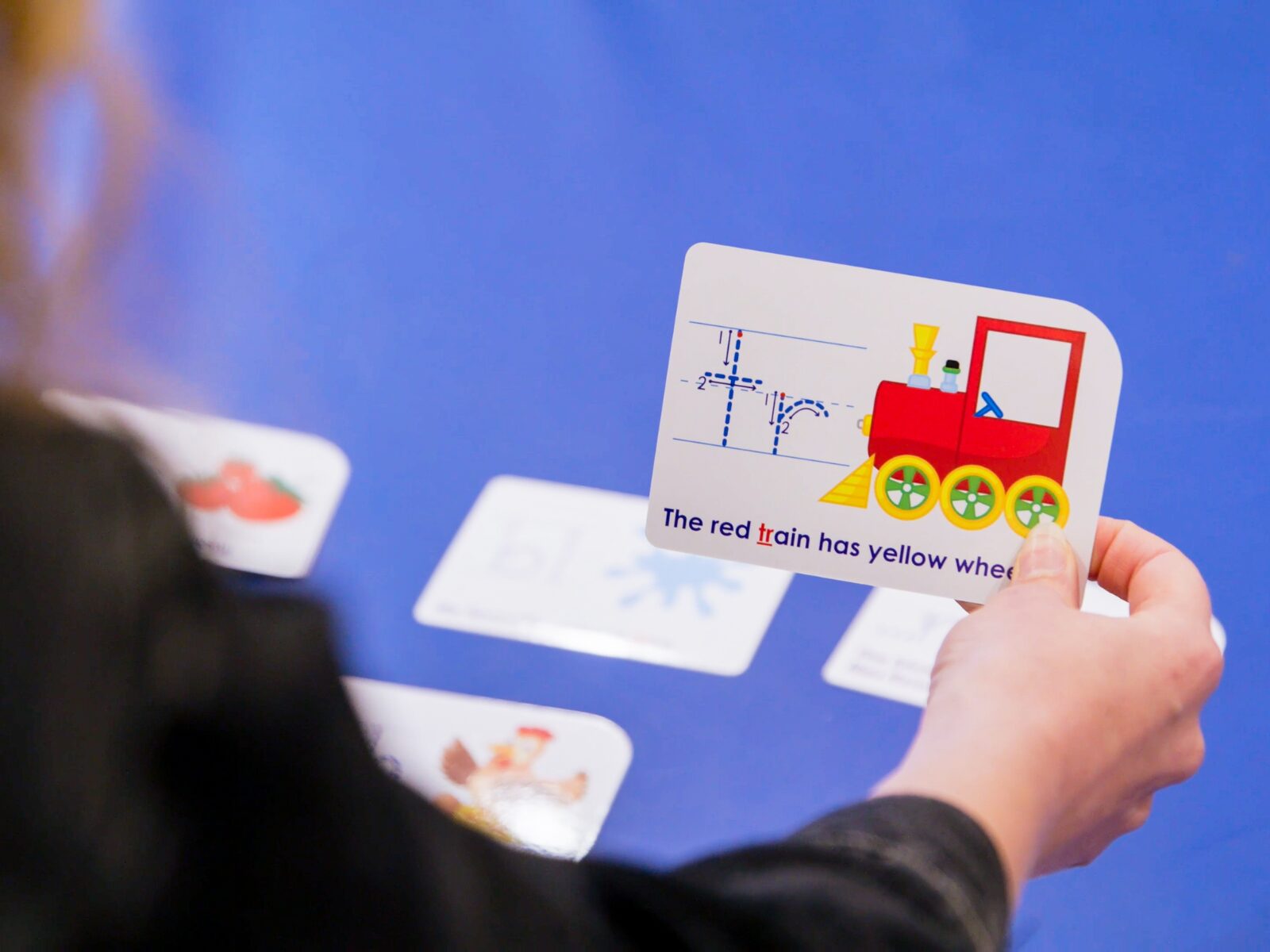
There is a range of evidence-based approaches that may support children with dyslexia. Adam explains that intervention should be individualised and may include a systematic phonics approach, where children are supported to build connections between letters and sounds through structured teaching and repetition.
“One of the biggest things is individualised intervention. So using what’s called a systematic phonics approach with targeting the letters and the sounds in what we read and spell, doing it through repetition. That’s one of the big strategies that I think can help.” – Adam, Speech Pathologist
Other strategies may include assistive tools such as text-to-speech (tools that read written words aloud) and speech-to-text (tools that turn spoken words into writing).
Technology can give children different ways to access written information or express their ideas.
Sophia knows the value of these tools from her own experience with dyslexia. She uses speech-to-text and text-to-speech in her own work.
“I love speech to text for writing notes. I also find that text to speech is a really good way for me to proofread and edit reports. But for the children that we work with, it’s so important that we look at all of the different areas in their life and give them really functional tools so they can succeed at what they do.” – Sophia, Clinical Operations Manager and Speech Pathologist
For children, the most useful tool will depend on what they are finding difficult and what they need to do at home, at school and in everyday life.
A strategy that works well for one child may not be right for another, and what works can also change as children grow.
A younger child beginning to develop literacy skills may need very different support from a teenager managing longer reading tasks and written assignments.
This is why understanding the individual child is so important. Their strengths, interests, goals and everyday experiences can all help guide which strategies may be meaningful and practical.
Supporting a child with dyslexia at home does not mean parents need to recreate a therapy session. Strategies can be built into everyday routines in ways that feel manageable for the child and family.
The right approach may involve practising specific literacy skills, using assistive technology, working alongside educators or finding different ways for a child to access and share information.
There is no single strategy that will work for every child with dyslexia. Understanding what a child is finding difficult, what works for them and what they need to do in everyday life can help families and clinicians identify practical ways to support their reading, spelling and literacy development. Speech Pathologists can work with families and schools to identify strategies that suit the child and support their participation in learning.
If you have questions about your child’s literacy development or whether a dyslexia assessment may be appropriate, contact Allied Kids Therapy to learn more about Speech Pathology and dyslexia assessment services in Melbourne.

At Allied Kids Therapy, we’re here to support your child and your family.
We’re a team of paediatric specialists working together to help kids build skills and momentum in everyday life. When you’re ready, we’re ready. Let’s take the next step together.