What Speech Pathology Can Look Like for Children and Families
Discover how Allied Kids Therapy’s Clinical Operations Manager and Speech Pathologist Sophia helps children build communication skills through everyday interactions, practical strategies, and meaningful collaboration with families, educators and clinicians.
October 8, 2026
Communication is part of so many everyday moments, from asking for help to sharing a story about school.
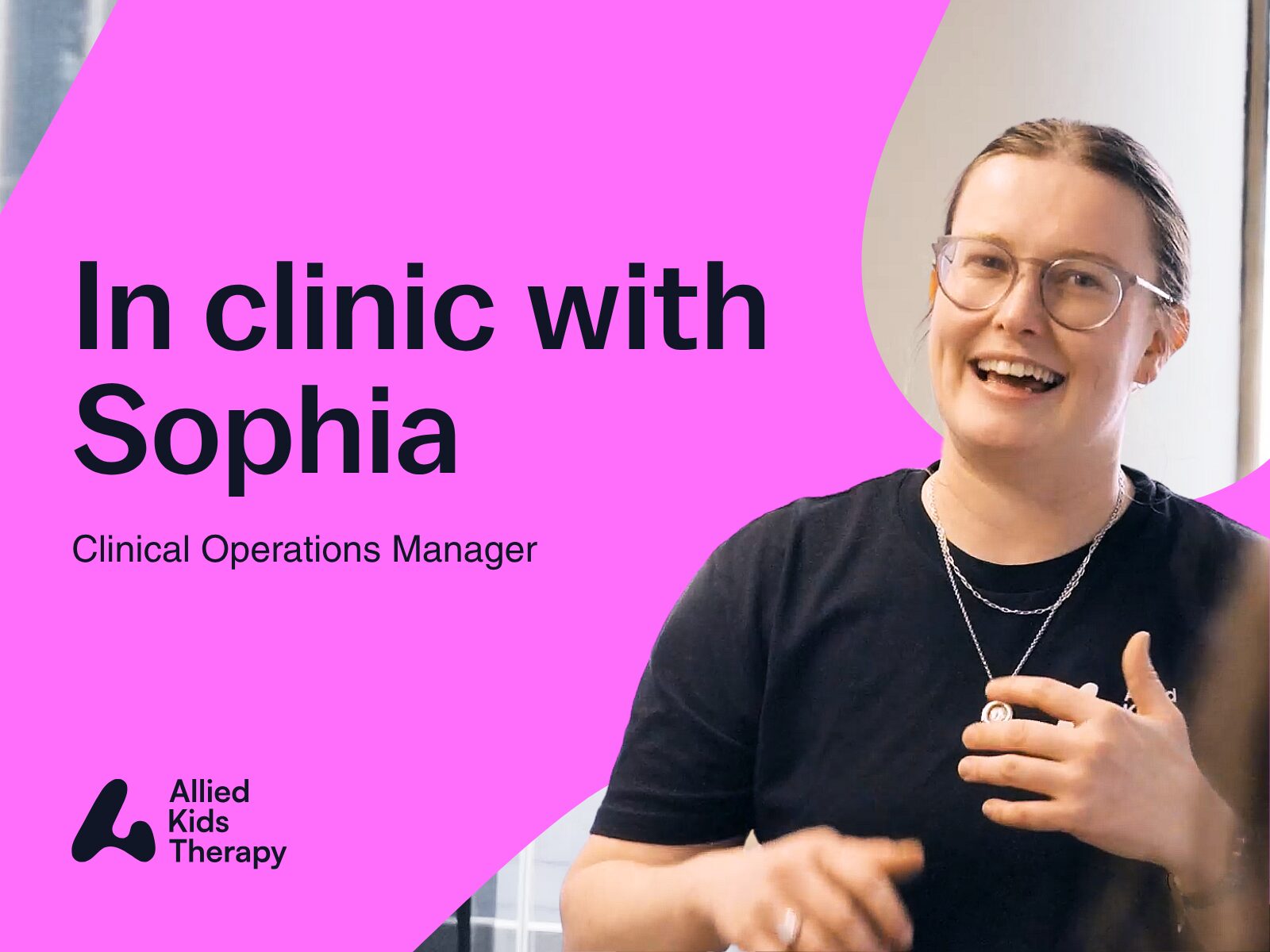
As Clinical Operations Manager and Speech Pathologist at Allied Kids Therapy, Sophia works closely with children, families, educators and clinicians to support speech, language and communication in practical and meaningful ways.
Her approach is grounded in understanding each child as an individual, recognising their strengths, and working alongside the people who know them best. Speech Pathology, in her view, should connect with real life, not stay within the walls of a therapy room.
Go behind the sceneswith Sophia. Hear from Sophia, what she looks for when families have questions about speech pathology and communication, the simple strategies she often recommends, and why collaboration plays such an important role in supporting children.
Communication starts with everyday moments
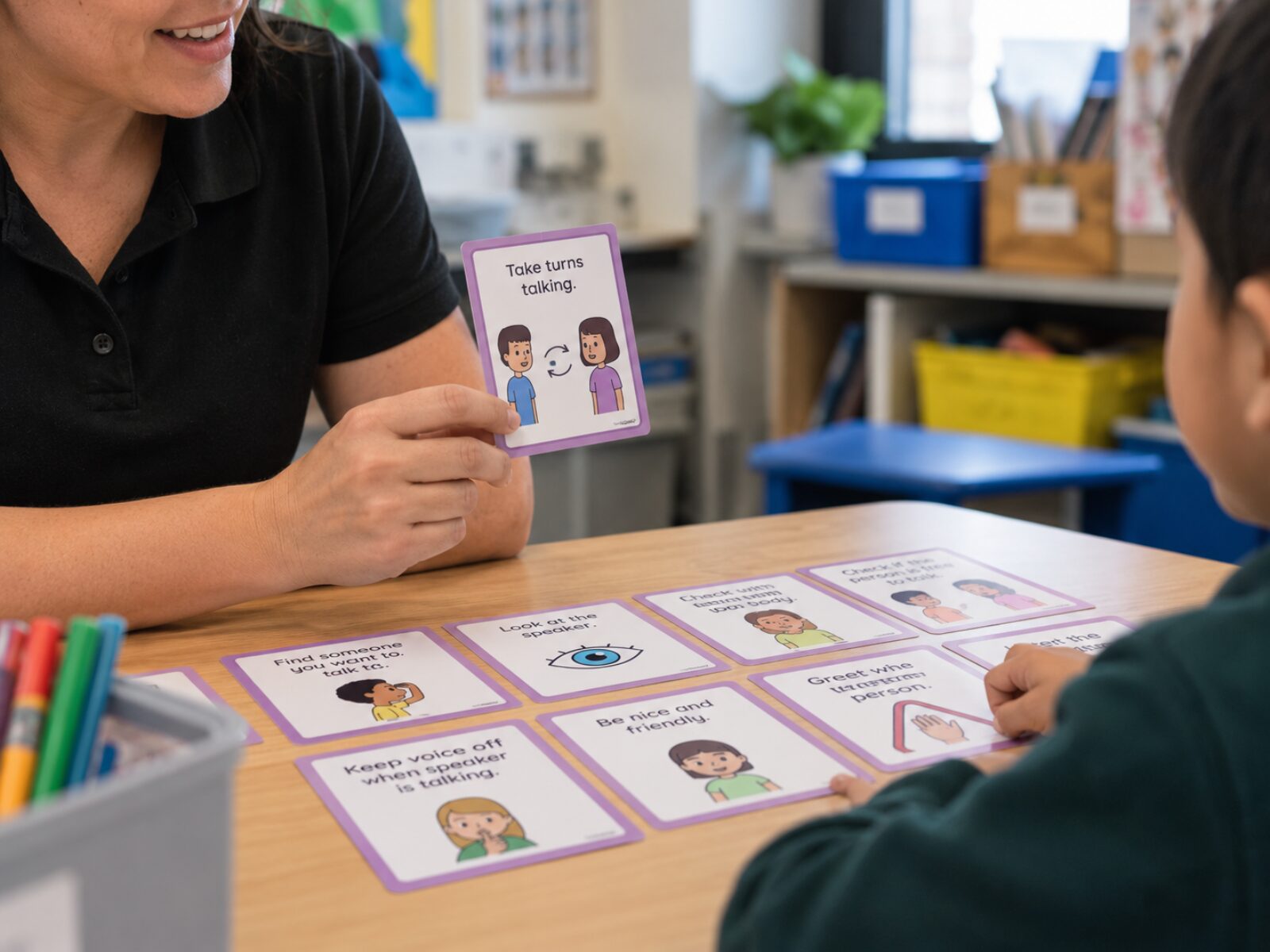
When families have questions about their child’s communication, there is often a strong focus on words. But communication is broader than that, and can include gestures, sign, pictures, AAC (augmentative and alternative communication) and spoken words.
“What I would be looking out for is, are they motivated to communicate, can they say a few words? Are they pointing or bringing items to parents? Are they able to communicate what they want? Are they able to understand when you give them simple instructions?”
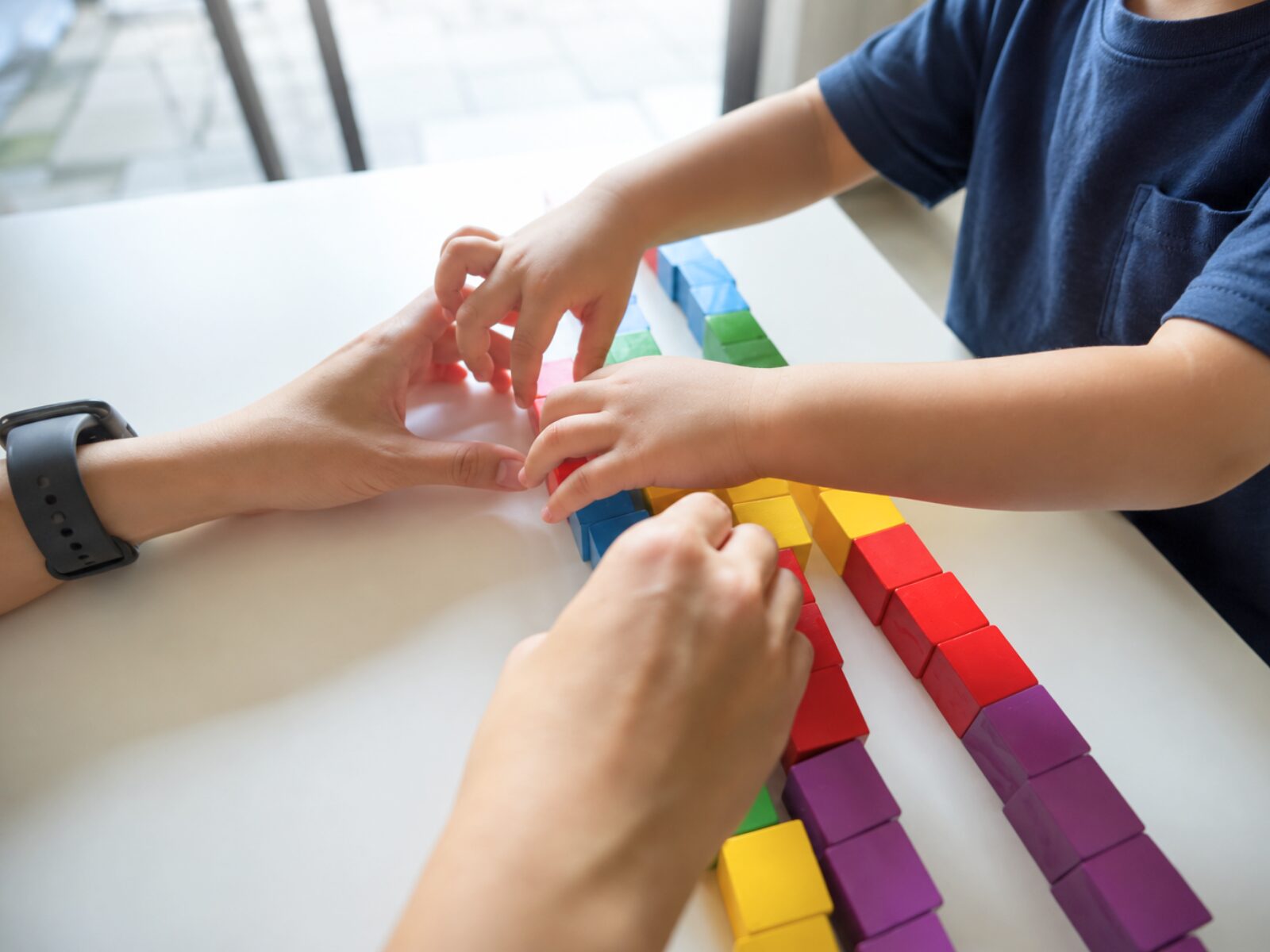
When working with children, Sophia also looks at whether a child can ask for help, and use communication across everyday situations, how they express different emotions and what is their behaviour/gestures communicating.These skills can show up in small ways throughout the day, which is why everyday routines can be such useful opportunities for support. Reading together, playing, folding the washing or putting dishes away can all create natural moments to model simple, clear language.
One strategy Sophia often shares with parents and teachers is to comment more and question less.
Instead of asking, “What are you drawing?” or “What’s this?”, an adult might say:
“I can see you’ve used a red crayon.”
“That looks like a tree.”
“I can see the house you’ve drawn.”
Comments give children language to hear and process without feeling like they need to provide an answer every time.
“Giving them lots of language by making comments is a really powerful way to ensure that we’re feeding in and supporting language development.”
Most importantly, these strategies are designed to fit into family life, without adding another task to the day.
Understanding how language grows
To understand why these everyday interactions matter, it helps to look at how different communication skills build on and support one another.
To explain typical language development, Sophia often uses the analogy of a growing tree.
The roots represent understanding. First words are the first shoot. Sentences become branches, grammar becomes the leaves, and clearer speech sounds are represented by the fruit, which is the last thing to develop. To grow a tree we need to support the roots system by developing the child’s understanding.
It is a simple way of showing families that communication skills are connected.
A parent may notice that their child is finding some speech sounds difficult, while a Speech Pathologist may also explore the understanding and language skills developing underneath.
“When we’re trying to make a tree grow, we want to water the root system, the understanding, and help that to develop.”
There is another part to the analogy too. Every tree needs sunlight, and Sophia describes that as encouragement and positive interaction.
Together, these ideas reflect a strengths-based approach to therapy. The focus is on understanding where a child is now and finding supportive ways to help them continue building skills.
Working together around the child
One of the strongest themes in Sophia’s approach is collaboration.
Families bring a deep understanding of their child’s routines, interests, strengths and ways of communicating. Speech Pathologists bring clinical knowledge, assessment and practical strategies. When those perspectives come together, goals can be shaped around what matters in everyday life.
“My role as a clinician is to come in and to upskill them so that we can all support the child together.”
That same thinking applies when a child is preparing to start school.
Rather than placing all the focus on whether a child is “school ready”, Sophia encourages families and educators to think about how the environment can be prepared to support the child.
“I like to believe that it’s the school’s responsibility to be ready for the child, not the child’s responsibility to be ready for school.”
Sharing information about communication, routines and support needs can help teachers understand the child before they enter the classroom and plan accordingly.
This collaborative approach reflects the way Allied Kids Therapy works across home, school and community settings, alongside families, educators and other professionals.
The progress families notice at home
“I think celebrating the small wins in a child’s development has a big impact for both the parent and the child.”
Not every meaningful change in Speech Pathology is a big milestone.
Often, it is the smaller moments that families notice first. These moments could be a new word, following an instruction or asking a question. It could also be telling someone what happened at school or sharing something important with a parent or carer.Changes like these help children communicate in daily life participate more in the routines and relationships that matter to them.
Supporting progress like this also requires clinicians to keep learning, reflecting and working together. For Sophia, supervision, professional development and collaboration give clinicians opportunities to strengthen their practice and consider how they can best support each child and family.
“One of our values is we are lifelong learners.”
Good Speech Pathology starts with understanding the individual child, working alongside the people who know them best and focusing on communication that makes a difference in everyday life. This approach continues to evolve as clinicians learn, families share their experiences and children build skills in ways that are meaningful to them.
If you have questions about your child’s speech, language or communication, learn more about ourSpeech Pathology servicesor the Allied Kids Therapy team can work with you to understand their strengths and support needs.
If you are a clinician looking to work in paediatric allied health, you can also learn more about life at Allied Kids Therapy and our current speech pathology opportunities.
At Allied Kids Therapy, we’re here to support your child and your family.
We’re a team of paediatric specialists working together to help kids build skills and momentum in everyday life. When you’re ready, we’re ready. Let’s take the next step together.