What Paediatric Allied Health Has Taught Anita About Supporting Children and Families
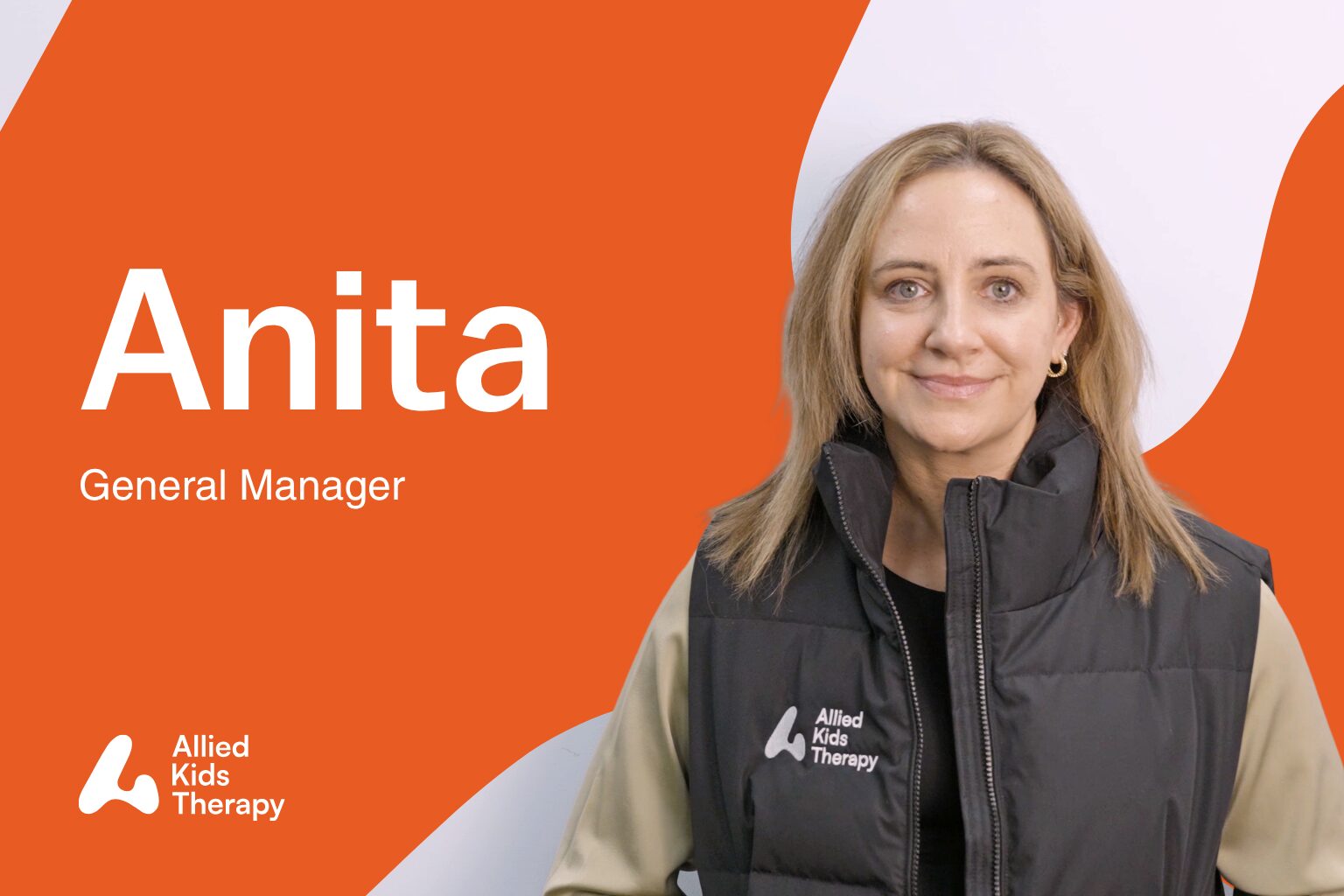
Anita is an Occupational Therapist and the General Manager of Allied Kids Therapy.Over the years, Anitahas experienced allied health from many different perspectives and learned the importance of listening, staying curious and focusing on what makes a meaningful difference in everyday life.
September 16, 2026
Starting as an allied health assistant, Anita went on to become a clinician, supervisor and progressed further into leadership. Each role has shaped how she thinks about supporting children and families, as well as the clinicians who work alongside them.
In this leadership spotlight, Anita shares what it means to be a leader, how her experiences have shaped the way she works with families, and the importance of supporting clinicians in her role today.
Leadership starts with understanding what matters to people
Throughout Anita’s career, one lesson has stayed with her: meaningful support starts with listening to the child. Early in her clinical career, she worked with a young girl who wasn’t engaging with the therapy sessions as expected. It prompted Anita to question whether her approach was working.
With support from her mentors, she looked at the situation differently. Instead of focusing only on the activities she had planned, she considered the child’s autonomy, the choices she wanted to make and how the session could better respond to her needs.
The next session felt very different.
“I gave a few more choices and had the best session. So much laughter, so much movement.”
That experience became an important lesson Anita has carried throughout her career: sometimes progress comes from changing the approach, rather than asking a child to fit into a plan that is not working for them. It’s also influenced how Anita supports clinicians today. It also showed the value of having experienced people around you who can help you reflect, adjust and keep developing as a clinician.
What this means for parents and families
For Anita, therapy works best when families are part of the process, not simply given instructions to follow.
Parents and carers know their child’s routines, preferences and everyday challenges in ways a therapist cannot fully understand from a session alone. That knowledge is an important part of deciding what to work on and how support can fit into family life.
“Families don’t want to be told what to do. They want to be supported to get the outcomes that they need in their family and guided along the way.”
What matters to a family and can be very practical. For a younger child, it might be getting dressed, brushing their teeth or putting on their shoes. Or, for an older child or teenager, it may be managing the transition to secondary school, spending more time with friends or learning skills that support greater
Understanding these everyday priorities helps keep therapy focused on skills children can use beyond their sessions, in the places and routines that matter to them.
It also means finding strategies that families can realistically use in everyday life.
“We really hope that we can give practical and realistic strategies that parents or siblings can grab at any time that they need to.”
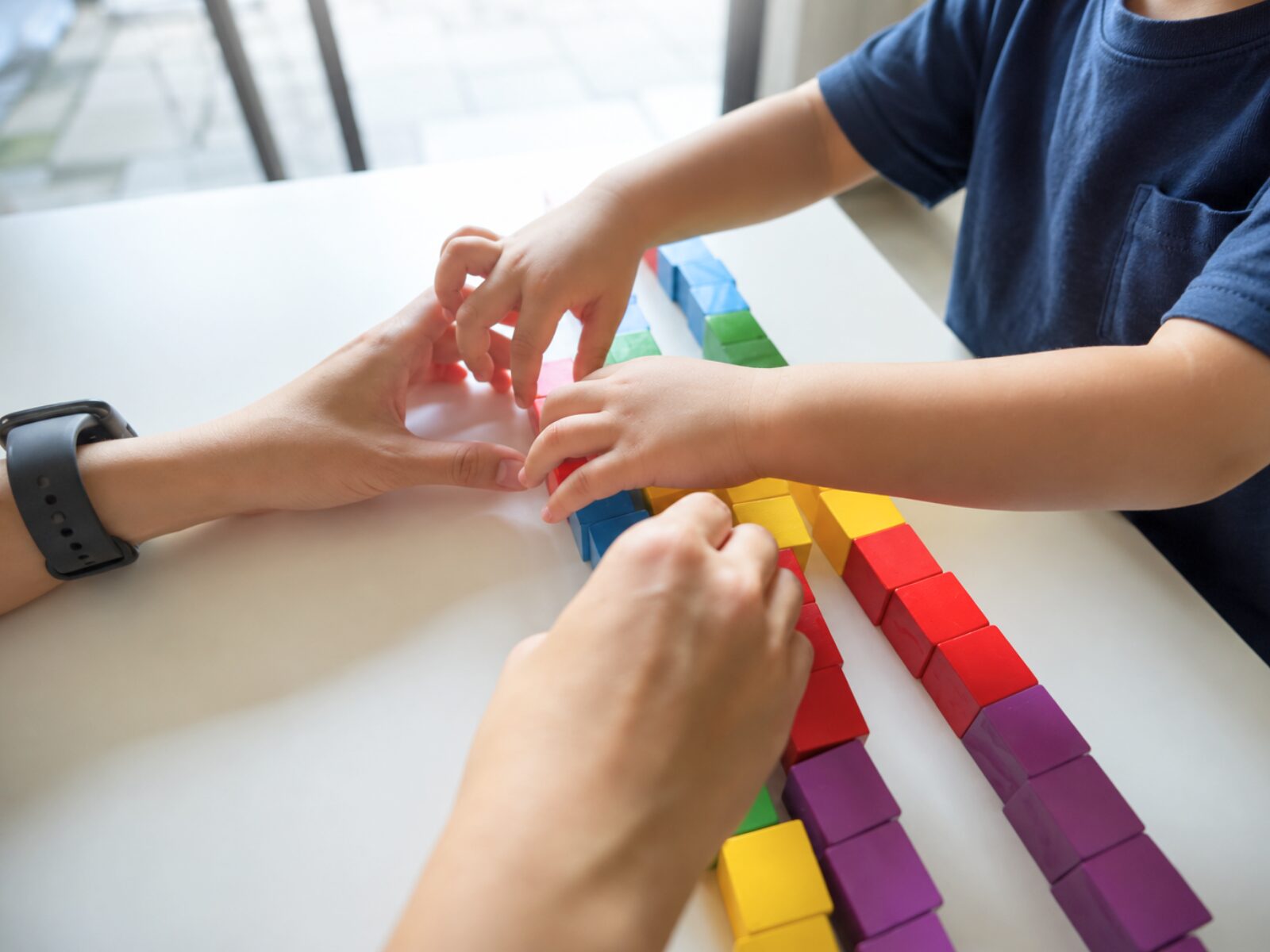
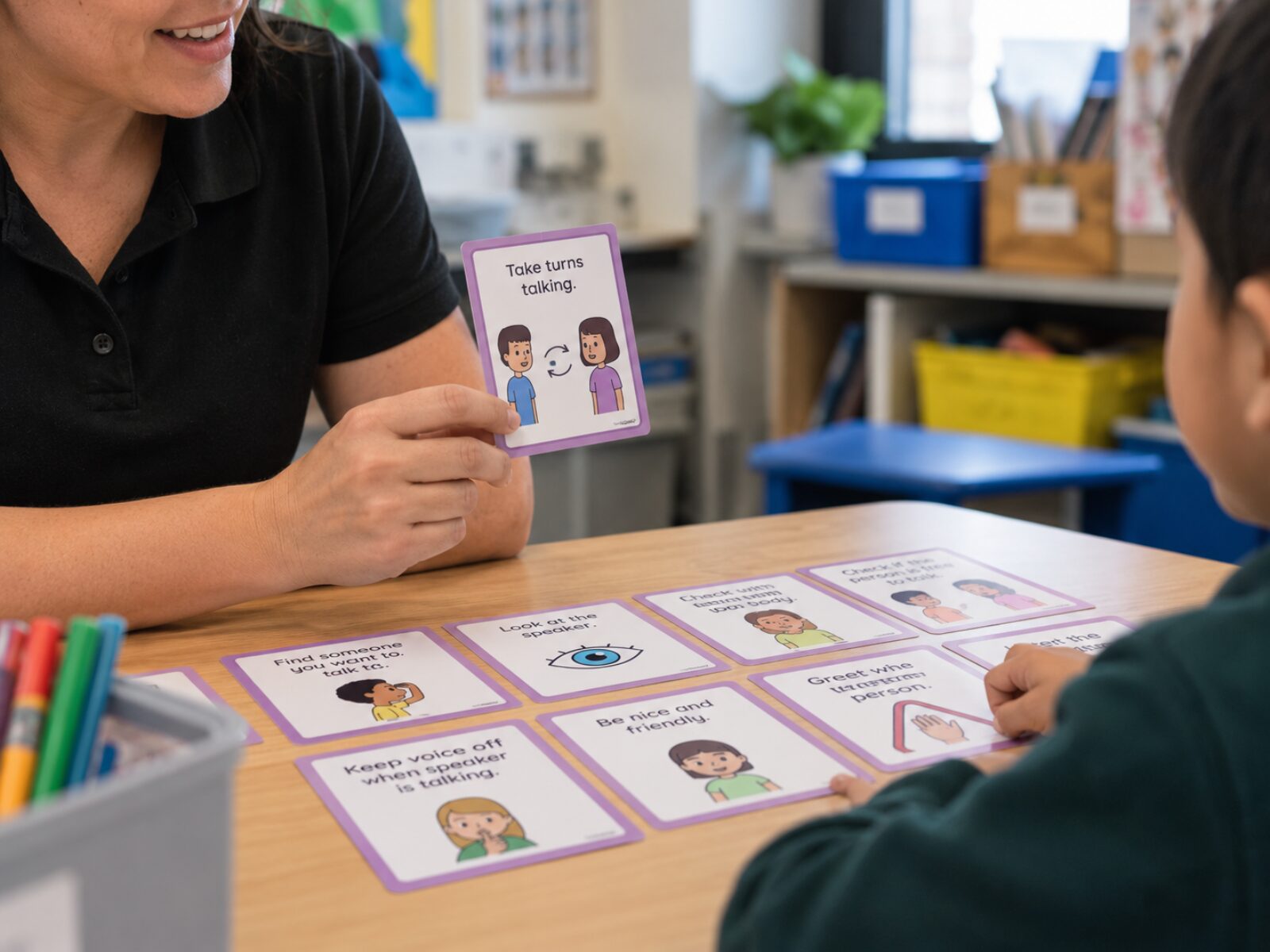
Sometimes that may involve changing the environment, offering more choice, using visual supports or adjusting the way an adult communicates with a child. These small changes can have a meaningful effect when they make everyday participation easier.
You don’t need to have all the answers
Anita’s experience growing from allied health assistant through to General Manager has given her a strong understanding of what it feels like to be at different stages of an allied health career.She remembers the pressure she felt as an early practicing occupational therapist to have the right answer. Over time, that expectation shifted.
“What I’ve learned over that time is that having all the answers isn’t actually the most important thing. It’s about building that connection with parents and families and knowing what’s most important and sharing my knowledge. The pressure comes off the clinician there, and we really lean into collaboration, and that’s when the best work happens.”
Instead, Anita learned the value of staying curious, reflecting on her practice and knowing when to ask others for support. In paediatric allied health, every child and family brings different strengths, priorities and experiences. Clinicians may not always know immediately what will work, which makes having people around them to reflect with, learn from and ask for support, especially valuable. Anita also knows that developing as a clinician can mean getting things wrong and learning from the experience.
“I’ve made mistakes along the way, and I’ve always had supports around me to build through those mistakes and then learn and become a stronger clinician.”
For Anita, growing as a clinician is not about being expected to know everything. It is about having opportunities to build your knowledge, reflect on your practice and learn alongside others.
Leadership that keeps meaningful progress at the centre
As Anita moved from clinical practice into leadership, her day-to-day role changed, but her focus on children and families remained.
Today, part of supporting children well means thinking about the clinicians around them too. That includes access to supervision and useful resources, opportunities to keep learning and a team where people feel comfortable sharing ideas and asking for support.
For Anita, collaboration is an important part of making that happen.
“Great leadership really is about collaboration.”
That collaboration extends beyond the clinical team.It includes children, parents, carers, supervisors and therapists working towards shared goals, while recognising that each person brings something different to the conversation.
And what matters does not always have to be a big milestone.
Reaching towards your feet might be an important step towards putting on your own socks. Choosing when to have a shower might give a child more autonomy in their daily routine. For a teenager, learning to catch public transport could create new opportunities to participate more independently in their community.
These everyday achievements are the kinds of outcomes Anita believes are worth recognising and celebrating.
“Outcome based therapy is really important, so we can see and celebrate the things that we have achieved along the way.”
Rather than expecting every child to follow the same path, the focus is on understanding what matters to the individual child and family, and supporting progress that makes a meaningful difference in their everyday life.
A leadership journey that keeps evolving
From allied health assistant to Occupational Therapist and now General Manager, Anita’s career has changed considerably. What has remained consistent is her willingness to listen, reflect and keep learning.
The experiences that challenged her as a clinician have shaped how she supports clinicians today. Working alongside families has reinforced the importance of listening to what matters to them. And seeing children work towards everyday goals has kept meaningful progress at the centre of how she thinks about therapy.
There is also one lesson that connects each stage of her journey: good support does not require perfection.
“The standard is not to be perfect. The whole way along, the standard is to be doing the best that we can and providing genuine, caring support.”
For families, that means support that listens to them, understands what matters to their child and connects therapy with everyday life. For clinicians, it means having the support and space to ask questions, reflect, learn and continue developing their practice.
For Anita, those two things are closely connected. When clinicians are supported to keep learning and families are genuinely part of the process, the focus can stay where it belongs, helping each child work towards the things that matter to them.
At Allied Kids Therapy, we’re here to support your child and your family.
We’re a team of paediatric specialists working together to help kids build skills and momentum in everyday life. When you’re ready, we’re ready. Let’s take the next step together.