Lessons from Speech Pathology: Sophia on Supporting Families and Growing Clinicians
When families choose a therapy provider, they are not only choosing the clinician they see in a session. They are also choosing the team, systems and leadership that sit behind that clinician.
October 12, 2026
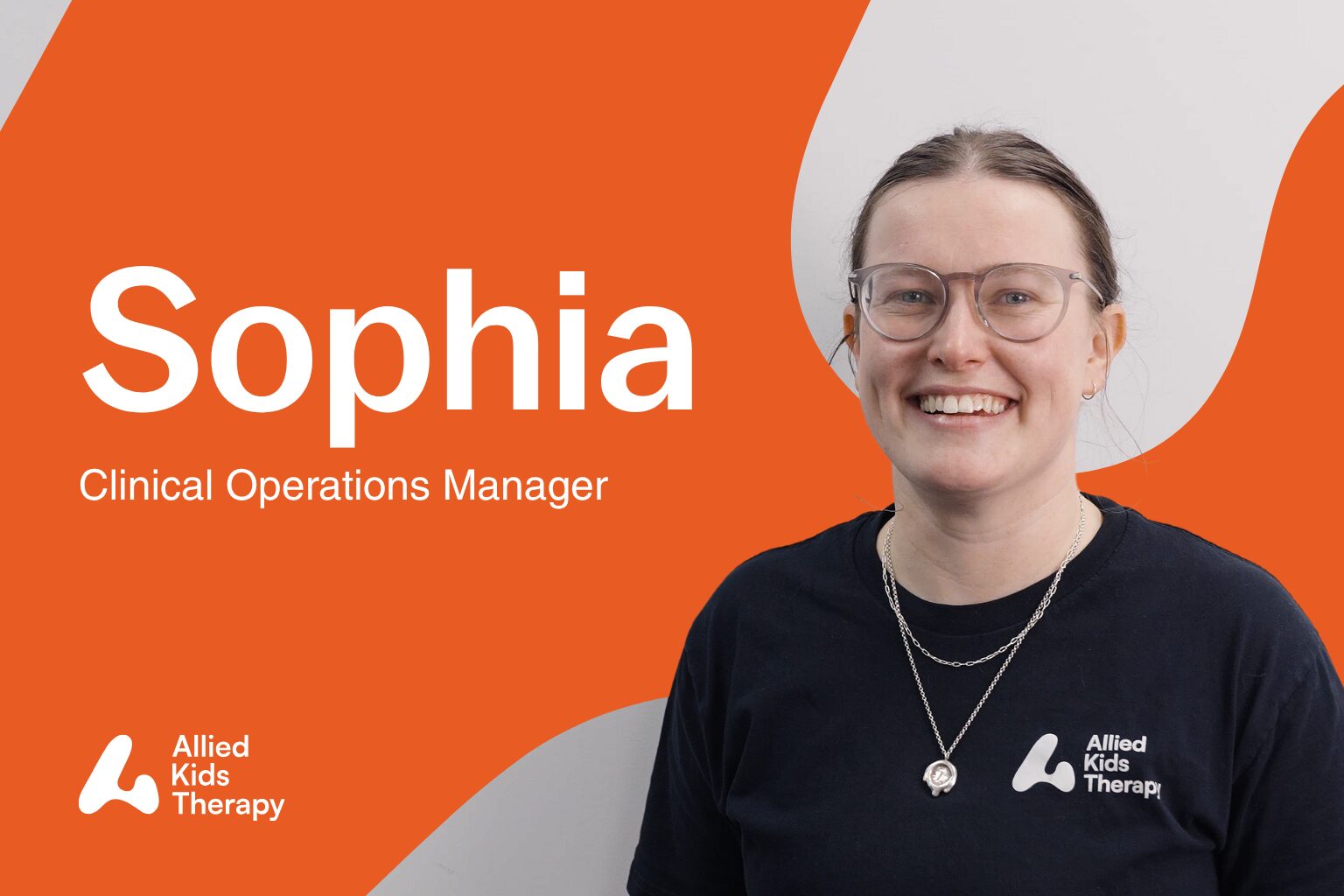
As a Speech Pathologist and the Clinical Operations Manager at Allied Kids Therapy, Sophia has seen paediatric Speech Pathology from both sides: supporting children and families directly and helping clinicians develop their practice.
Her experience has reinforced a few principles that continue to shape how she works: listen to families, make therapy useful in everyday life, work closely with schools and give clinicians the support they need to keep developing.
For families choosing a therapy provider and speech pathologist’s considering where to build their career, her perspective provides an insight into the clinical thinking and culture behind Allied Kids Therapy.
Good speech pathology starts with listening to families
One lesson Sophia has carried from clinical practice into leadership is that families need to be part of the conversation.
Parents and carers know the small details that matter. They know what mornings look like at home, what their child enjoys, what situations are harder and what strategies already help.
Clinical knowledge is important, but it works best when it is combined with that understanding of everyday life.
“It’s important for us to have a family-centred approach and work really closely with the people around the children.”
Sophia sees the clinician’s role as working alongside families rather than simply telling them what to do.
“They’re the ones that are the expert on the children. My role as a clinician is to come in and upskill them so that we can all support the child together.”
Therapy should feel like a partnership, with families understanding what their child is working towards, why particular strategies are being recommended and how they can fit into everyday routines. For clinicians, strong practice starts with listening.
Speech therapy should fit into real life
Some of Sophia’s most practical advice comes from the everyday moments families are already having. When supporting a child’s communication at home, she talks about reading together, playing, folding the washing, putting dishes away or simply narrating what is happening throughout the day. These moments give children opportunities to hear language without turning home life into another therapy session.
“I really think it’s important we don’t add work to parents when they’re at home with their child.”
That philosophy also shapes the way Sophia thinks about clinical leadership.
Therapy strategies need to make sense beyond the clinic. Clinicians need to consider how recommendations will work at home, at school and in the community, and whether they are realistic for the people supporting the child.
One example Sophia often shares is the power of commenting.
Adults naturally ask children lots of questions: “What are you doing?”, “What’s that?” or “What are you drawing?”
Sophia encourages parents and teachers to also model language by commenting on what they see: “You’ve used a red crayon”, “That looks like a tree” or “I can see the house you’ve drawn.”
It is a simple shift, but it reflects a much bigger principle: useful support does not always need to be complicated.
Speech Pathology works beyond the therapy room
Sophia’s approach becomes especially clear when she talks about starting school.
Rather than looking at school readiness as a checklist a child must complete, she encourages families and educators to think about what the school needs to know to support the child well.
“I like to believe that it’s the school’s responsibility to be ready for the child, not the child’s responsibility to be ready for school.”
That may mean helping teachers understand how a child communicates, how they ask for help, how they follow routines or what helps them participate in the classroom.
It can also mean sharing assessment information or practical strategies before the child starts.
Children may have parents, teachers, therapists and other professionals involved in their support. Sophia sees collaboration as a way to help those people understand what matters to the child and work towards shared goals.
When that communication is strong, support can feel more connected across home, therapy and school.
Strong clinicians need strong support around them too
The same principle applies inside the Allied Kids Therapy team. Just as children benefit from the right support around them, clinicians also need support to keep developing their practice.
Sophia sees supervision, professional development and collaboration as an important part of maintaining thoughtful clinical practice. Her role now involves not only supporting children and families, but also creating opportunities for clinicians to ask questions, reflect, learn and develop their skills over time.
It is an approach that reflects something Sophia values strongly: “One of our values is we are lifelong learners.”
That value shows up through professional development, supervision and opportunities for clinicians to draw on the knowledge of their colleagues.
For Sophia, a workplace is not simply a caseload and a job description. It is also the people you learn from, the conversations you can have when you are unsure and the support available as your clinical skills develop.
That is the kind of environment Sophia wants clinicians at Allied Kids Therapy to experience.
Progress is often found in the small moments
It might be a child saying a new word. Following an instruction. Asking a question. Telling their parent what happened at school.
“I think there’s lots of small wins to celebrate with children’s development.”
Those moments may look small, but they can have real meaning for the child and the people around them. They also reflect the way Sophia approaches leadership. Clinical growth does not happen in one supervision session. Strong teams are not built in one meeting. Relationships with families are not created through one conversation.
They develop over time through listening, learning, reflection and consistent support.
What Sophia’s leadership journey says about Allied Kids Therapy
Moving from clinical practice into leadership has given Sophia an opportunity to apply what she has learned through Speech Pathology more broadly.
Her approach continues to centre on listening to families, making support practical, working with the people around the child and giving clinicians opportunities to keep learning.
Together, these ideas offer a clearer picture of the culture behind Allied Kids Therapy. For families, it shows the thinking behind the support their child receives. For Speech Pathologists, it shows the importance Allied Kids Therapy places on supervision, collaboration and continued learning.
Because supporting children is not only about what happens during a therapy session. It is also about the families, educators and clinicians around them, and how well they are supported to work together.
At Allied Kids Therapy, we’re here to support your child and your family.
We’re a team of paediatric specialists working together to help kids build skills and momentum in everyday life. When you’re ready, we’re ready. Let’s take the next step together.